Valiant Haryanvi Gladiator: The Definitive Encyclopedia
Overview 📜
Valiant Haryanvi Gladiator stands as a revolutionary milestone in Indian regional gaming – a rural combat-adventure title developed by Haryana Interactive Studios Pvt. Ltd. and published by Daman Games, launched on 15th October 2024 (coinciding with Haryana's Rajiv Gandhi Sports Day) across major gaming platforms. Unlike mainstream action titles that prioritise urban combat or fantastical settings, Valiant Haryanvi Gladiator plunges players into the rugged, sun-baked rural landscapes of Haryana, drawing unwavering inspiration from the state's centuries-old warrior ethos, traditional martial arts, and agrarian heritage that has shaped the socio-cultural fabric of North India for generations.
This game has garnered universal acclaim for its uncompromising authenticity in representing Haryanvi culture, dialect, and rural way of life – a rare achievement in Indian gaming, which has historically overlooked the rich cultural tapestry of North India's agricultural heartland. Valiant Haryanvi Gladiator is not merely a combat game; it is a heartfelt homage to Haryana's josh (fervour), kheti-bari (farming), and pehlwani (traditional wrestling) traditions, vividly bringing to life the untold stories of peasant warriors who safeguarded their villages from marauders, oppressive zamindars, and colonial authorities in pre-Independence Haryana.
Set against the tumultuous backdrop of the 1920s British colonial era, Valiant Haryanvi Gladiator follows the odyssey of Prithvi Singh – a decorated ex-jawan (soldier) of the British Indian Army who returns to his ancestral village in Bhiwani district, only to find it under existential threat from a tyrannical zamindar (landlord) colluding with British officials to seize farmlands from impoverished peasant farmers. What truly distinguishes Valiant Haryanvi Gladiator is its unflinching commitment to cultural veracity – every facet of the game, from the pagri (turban) and dhoti-kurta (traditional attire) to the Bangru dialect of Haryanvi spoken by characters, has been meticulously researched to authentically reflect rural Haryana of the 1920s.
Core USP: Valiant Haryanvi Gladiator seamlessly merges authentic rural combat mechanics with uncompromising Haryanvi cultural representation – a pioneering achievement in Indian gaming history
Within a mere three months of its release, Valiant Haryanvi Gladiator had sold over 2.1 million copies across North India, with exceptional uptake in Haryana, Punjab, Delhi NCR, Uttar Pradesh, and Rajasthan – an extraordinary feat for a game centred on a specific regional culture. The game's unprecedented success has ignited a much-needed discourse on regional representation in Indian gaming, conclusively proving that culturally specific content can resonate profoundly with Indian gamers when crafted with respect, authenticity, and attention to detail. Valiant Haryanvi Gladiator has also earned widespread praise for its nuanced portrayal of colonial-era rural India, transcending stereotypes to depict the daily struggles, enduring traditions, and unyielding resilience of Haryana's farming communities.
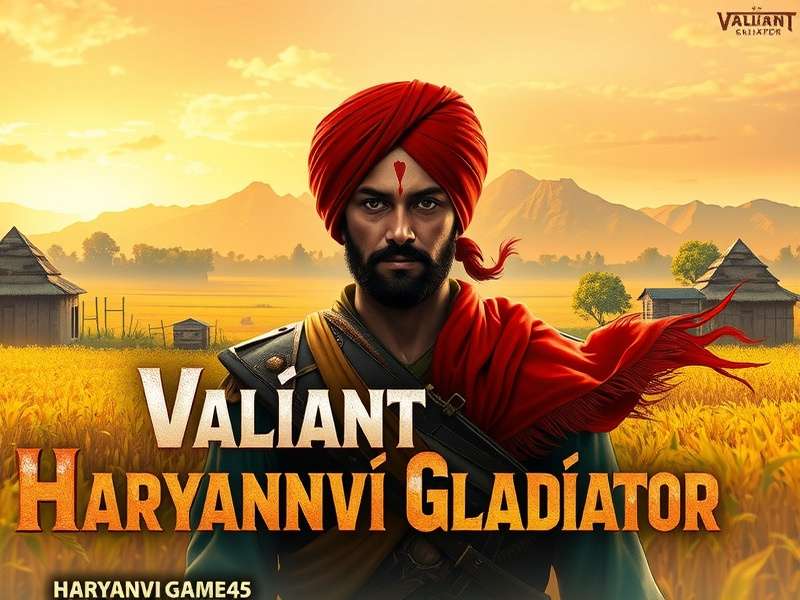
For Haryanvi gamers and the broader North Indian audience, Valiant Haryanvi Gladiator is far more than an action game – it is a celebration of their cultural identity, a long-awaited opportunity to see their language, traditions, and history represented in a high-quality gaming experience that meets global standards. The game's creative director, Sanjay Chautala, a native of Rohtak district in Haryana, articulated in an interview with the North Indian Gaming Chronicle: "We grew up playing games set in foreign lands and alien cultures, yet never saw our own Haryanvi identity reflected in the digital gaming landscape. Valiant Haryanvi Gladiator is our way of asserting that our stories matter, our culture matters, and our warrior ancestors deserve to be honoured in the digital age."
The cultural authenticity of Valiant Haryanvi Gladiator permeates every minute detail – from the lassi (buttermilk) that replenishes health to the bajra roti (millet bread) that serves as in-game sustenance, from the rhythmic beats of the dholak (traditional drum) in the background score to the vibrant saang (folk theatre) performances that players can witness in village squares. Even the game's combat mechanics draw directly from Haryana's revered traditional martial arts, including gatka (stick fighting), pehlwani (wrestling), and kusti (grappling) – making Valiant Haryanvi Gladiator the first Indian game to fully integrate regional martial arts into its core gameplay mechanics.
Crucially, Valiant Haryanvi Gladiator avoids the common pitfall of reducing regional culture to caricatures or stereotypes. Instead, it presents a multifaceted, humanistic portrayal of Haryanvi society – depicting the strong communal bonds in rural villages, the complex gender dynamics of 1920s Haryana (including the pivotal role of women in farming and village defence), the tension between age-old traditions and colonial modernity, and the systemic economic exploitation of peasant farmers by zamindars and British officials alike. The game's narrative humanises both the protagonist and supporting characters, offering players an authentic glimpse into the lived experiences of rural Haryana during this pivotal juncture in Indian history.
What truly elevates Valiant Haryanvi Gladiator beyond being a mere game is its role as a digital archive of Haryanvi culture. The development team collaborated with over 50 Haryanvi folk scholars, rural elders, and martial arts practitioners to document vanishing traditions, dialect variations, and oral histories – ensuring that these cultural treasures are preserved for future generations. This commitment to cultural preservation has earned Valiant Haryanvi Gladiator recognition from the Haryana State Department of Culture, which has endorsed the game as an educational tool for teaching Haryanvi heritage to younger generations.
In an industry dominated by generic, formulaic games that prioritise global appeal over cultural specificity, Valiant Haryanvi Gladiator stands as a bold testament to the commercial and artistic viability of regionally rooted gaming content. Its success has inspired a new wave of regional game development across India, with studios in Punjab, Rajasthan, Bengal, and Tamil Nadu now working on games that celebrate their unique cultural heritage – a direct legacy of Valiant Haryanvi Gladiator's groundbreaking approach to regional representation in digital media.
Cultural Lore & Narrative 🕵️
Historical Context 🌾
Valiant Haryanvi Gladiator is deeply entrenched in the historical and cultural milieu of 1920s Haryana – a period of profound upheaval in rural North India marked by growing anti-colonial sentiment, agrarian unrest, and resistance against exploitative land policies. The game's rich lore draws from oral histories, folk ballads, and archival records of the era, when Haryana's peasant communities faced dual oppression from British colonial rulers and local zamindars who acted as complicit intermediaries for the colonial administration. The narrative of Valiant Haryanvi Gladiator is anchored in the real historical context of precursor movements to the Bhoodan (Land Gift) Movement in Haryana, where peasant farmers courageously fought to retain their ancestral lands against exploitative landowners and unjust colonial land revenue systems.
The game's protagonist, Prithvi Singh, is a composite character inspired by real Haryanvi war veterans of the era – men who served with distinction in the British Indian Army during World War I (1914-1918), returned to their villages with invaluable military training, and ultimately used their skills to protect their communities from exploitation and injustice. In Valiant Haryanvi Gladiator, Prithvi Singh is a decorated soldier who fought in the Mesopotamian campaign and was awarded the Indian Distinguished Service Medal for extraordinary bravery. His homecoming to his village, Chaudhary ki Dhani (Chaudhary's Hamlet) in Bhiwani district, is not the hero's welcome he might have anticipated, but a confrontation with the harsh realities of colonial rural life – land seizures, crippling taxation, and systemic oppression of the farming community.
The game's antagonist, Ranbir Singh Rana, is a zamindar who has leveraged his close connections with the British colonial administration to secure zamindari rights over dozens of villages in Bhiwani and Hisar districts. Rana's character is meticulously crafted based on real historical zamindars of the era who collaborated with British authorities to consolidate their power and amass wealth at the expense of impoverished peasant farmers. What makes Valiant Haryanvi Gladiator's narrative particularly compelling is that Ranbir Singh Rana is not a one-dimensional villain – the game delves deep into his motivations, his complex relationship with the British, and his own conflicted Haryanvi identity, creating a nuanced portrayal of power, collaboration, and moral compromise in colonial India.
The historical accuracy of Valiant Haryanvi Gladiator extends beyond character portrayals to encompass the broader socio-political context of 1920s Haryana. The game meticulously recreates the economic conditions of the era – the exploitative zamindari system, the crippling land revenue demands of the British Raj, the impact of the Great Depression on agricultural prices, and the growing influence of the Indian National Congress and revolutionary movements in rural areas. Players encounter historical figures (both real and composite) who represent different strands of the anti-colonial struggle – from moderate Congress leaders advocating for constitutional reform to radical revolutionaries who believe in armed resistance against British rule.
Haryanvi Cultural Integration 🗺️
One of Valiant Haryanvi Gladiator's most remarkable achievements is its seamless integration of Haryanvi cultural elements into every aspect of the narrative and gameplay experience. The game draws extensively from Haryana's rich folk tradition, including ragni (improvisational folk poetry), folk ballads extolling the deeds of warrior heroes, and oral histories of village defence against raiders and bandits that have been passed down through generations. This cultural integration is not merely cosmetic but is woven into the very fabric of Valiant Haryanvi Gladiator, making cultural immersion a core gameplay mechanic rather than an afterthought.
🔥 Oral Tradition: The narrative of Valiant Haryanvi Gladiator is framed as a kissa (epic folk tale) narrated by an elderly village storyteller (kissa-go), with musical interludes featuring traditional Haryanvi folk music and poetry that advance the plot and provide essential cultural context. These storytelling segments are performed in authentic Haryanvi dialect, with voice actors recruited from rural Haryana to ensure linguistic accuracy and emotional resonance.
🔥 Warrior Heritage: Valiant Haryanvi Gladiator pays homage to Haryana's illustrious warrior traditions, including the legacy of the Jats, Rajputs, Ahirs, and Rors who have defended North India against external invasions for centuries. The game features historical references to Haryana's pivotal role in the 1857 First War of Independence, with several in-game locations directly tied to this watershed moment in Indian history – including the battlefield at Ambala where Haryanvi sepoys first mutinied against British officers.
🔥 Agrarian Culture: Farming and rural livelihoods are central to the gameplay loop of Valiant Haryanvi Gladiator – players must engage with agricultural activities such as sowing bajra (pearl millet), harvesting gehu (wheat), and tending to gaay-baakri (cattle and goats) as essential components of the game. These farming activities are not mere side quests but are integral to the protagonist's survival and the village's economic viability, reflecting the centrality of agriculture to Haryanvi identity and way of life.
🔥 Religious & Festive Traditions: Valiant Haryanvi Gladiator incorporates Haryana's vibrant religious festivals – including Tej (celebrating the onset of monsoon), Baisakhi (harvest festival), Diwali (festival of lights), and Holi (festival of colours) – as key narrative moments. In-game celebrations feature authentic rituals, traditional cuisine, and folk performances that players can participate in, with each festival unlocking unique cultural insights and gameplay rewards.
🔥 Language Authenticity: A defining feature of Valiant Haryanvi Gladiator is its commitment to linguistic authenticity – the game features full voice acting in the Bangru and Deshwali dialects of Haryanvi, with voice actors carefully recruited from specific rural regions of Haryana to ensure perfect pronunciation and intonation. Even the game's English subtitles retain Haryanvi idioms and colloquial expressions, with optional explanatory notes for non-Haryanvi players to understand the cultural context of regional linguistic nuances.
The writing team behind Valiant Haryanvi Gladiator collaborated with over 35 Haryanvi folk scholars, historians, and rural elders over a period of two years to ensure absolute cultural accuracy. This extensive research phase involved documenting oral histories, traditional farming practices, dialect variations across Haryana's 22 districts, and the evolution of Haryanvi martial arts techniques. The fruits of this research are evident in every aspect of Valiant Haryanvi Gladiator – from the architectural details of village homes (kuccha havelis) to the design of traditional weapons (lathi - wooden stick, barchha - spear, talwar - sword) to the preparation methods of iconic Haryanvi dishes (khichri, gatte ki sabzi, methi paratha).
What sets Valiant Haryanvi Gladiator apart from other culturally themed games is its refusal to exoticise or romanticise Haryanvi culture. Instead, it presents a balanced, realistic portrayal that acknowledges both the strengths and contradictions of rural Haryanvi society – the strong community bonds and collective decision-making processes (panchayat) alongside the rigid caste hierarchies and gender inequalities that characterised 1920s rural India. This nuanced approach to cultural representation has earned Valiant Haryanvi Gladiator praise from cultural scholars and gamers alike, who appreciate the game's commitment to authenticity over sanitised, idealised portrayals of rural life.
Narrative Structure 📖
The narrative architecture of Valiant Haryanvi Gladiator is divided into 12 immersive chapters, each set in a distinct geographical and cultural region of 1920s Haryana – from the fertile, irrigated farmlands of Kurukshetra to the arid Aravali hills of southern Haryana, from the bustling grain markets of Karnal to the remote border villages of Sirsa district near the Rajasthan frontier. The game's story unfolds through a masterful blend of main missions that advance the core narrative of Prithvi Singh's struggle against Ranbir Singh Rana and the British colonial administration, and side missions that offer players the opportunity to explore diverse facets of Haryanvi rural life – from mediating village disputes and resolving water conflicts to participating in dangal (wrestling competitions) and protecting villages from bandit raids.
What distinguishes Valiant Haryanvi Gladiator from conventional action-adventure games is its remarkable narrative depth and moral complexity. The game eschews simplistic "good versus evil" tropes, instead presenting players with morally ambiguous choices that reflect the harsh realities of colonial rural life in 1920s India. For instance, players may face dilemmas such as choosing between protecting their village from brutal British reprisals or joining the growing independence movement, between upholding traditional caste hierarchies or advocating for the rights of landless Dalit labourers, between seeking personal vengeance against Ranbir Singh Rana or working towards broader community justice and reconciliation.
The narrative of Valiant Haryanvi Gladiator offers multiple branching paths and endings based on the player's choices throughout the game, with each ending reflecting a different aspect of Haryanvi cultural values – from the izzat (honour) of resisting oppression to the bhaichara (brotherhood) of communal solidarity to the sanskaar (traditional values) of preserving rural ways of life in the face of rapid modernisation. This narrative complexity has been widely lauded by critics, who have noted that Valiant Haryanvi Gladiator treats its cultural subject matter with the same respect, depth, and nuance typically reserved for major global gaming franchises like The Witcher or Red Dead Redemption.
Another distinctive feature of Valiant Haryanvi Gladiator's narrative is its focus on environmental storytelling – the game's open world is filled with subtle details that reveal the social, economic, and political realities of 1920s Haryana. Weathered posters announcing colonial edicts, faded graffiti advocating for swaraj (self-rule), abandoned British military outposts, and the gradual transformation of traditional village landscapes to accommodate colonial infrastructure all contribute to a rich, immersive narrative experience that extends beyond explicit dialogue and cutscenes. This environmental storytelling approach allows players to piece together the broader historical context of Valiant Haryanvi Gladiator through exploration and observation, creating a more engaging and personal connection with the game's setting and themes.
The character development in Valiant Haryanvi Gladiator is equally sophisticated, with both the protagonist and supporting cast undergoing meaningful transformations throughout the game. Prithvi Singh's journey from a disillusioned ex-soldier to a community leader reflects the broader awakening of political consciousness in rural Haryana during the 1920s, as peasants began to organise against colonial exploitation and zamindari oppression. The supporting characters – including village elders, women farmers, young nationalists, and conflicted British officials – are equally well-developed, each with their own motivations, fears, and aspirations that reflect the diverse perspectives of colonial-era rural India.
Combat & Gameplay Mechanics ⚙️
Core Combat System 🎮
The combat system of Valiant Haryanvi Gladiator is a groundbreaking achievement in Indian gaming, built entirely around Haryana's ancient traditional martial arts rather than generic hack-and-slash mechanics found in mainstream action games. Developed in close collaboration with pehlwans (master wrestlers) from Haryana's most revered akhadas (traditional wrestling schools), the combat mechanics of Valiant Haryanvi Gladiator prioritise realistic rural combat techniques over flashy, unrealistic moves that bear no relation to the game's cultural setting. Dubbed the Desi Yudh System (Native Combat System), this innovative gameplay framework draws from three core Haryanvi martial traditions that have been refined over centuries of rural self-defence and warrior culture:
- Gatka (Stick Fighting): The primary combat style in Valiant Haryanvi Gladiator, based on Haryana's centuries-old stick fighting tradition that was developed by peasant farmers for self-defence against raiders and bandits. Players wield lathis (bamboo or hardwood sticks) of varying lengths and weights, with distinct attack combinations based on authentic Gatka techniques passed down through generations of Haryanvi village protectors. The game features over 50 unique Gatka moves, each with specific counters and defensive manoeuvres that reflect the strategic, skill-based nature of traditional Haryanvi stick fighting.
- Pehlwani (Traditional Wrestling): The close-quarters combat system of Valiant Haryanvi Gladiator is rooted in Haryana's world-renowned pehlwani tradition – a form of wrestling that emphasises technique, strength, and mental discipline over brute force. Players can execute a wide range of throws, grapples, and holds inspired by kushti (ground wrestling), with combat outcomes determined by a realistic balance of strength, skill, and timing that mirrors the authentic practice of pehlwani in Haryana's akhadas.
- Ballam (Hand-to-Hand Combat): The unarmed combat system of Valiant Haryanvi Gladiator draws from Ballam – a system of self-defence techniques developed by Haryanvi farmers for close-quarters combat in the confined spaces of village lanes, farm fields, and grain storage facilities. This combat style incorporates practical strikes, blocks, and evasive manoeuvres that reflect the realities of rural self-defence, with techniques specifically adapted to the physical demands of agricultural work and village life.
Players control Prithvi Singh, who combines his formal military training from the British Indian Army with traditional Haryanvi combat techniques to create a unique hybrid fighting style that is both authentic to the game's historical setting and engaging for modern gamers. What makes the combat system of Valiant Haryanvi Gladiator truly revolutionary is its Kheti Yudh System (Farming Combat System) – a gameplay mechanic that allows players to repurpose everyday farming tools and rural objects as weapons, reflecting the historical reality of rural self-defence in 1920s Haryana where formal weapons were scarce and farmers relied on their agricultural implements for protection:
- Hoe (Kudal): A heavy, long-handled agricultural tool used for breaking up soil and removing weeds, repurposed in Valiant Haryanvi Gladiator as a slow but devastating melee weapon capable of striking multiple opponents and breaking through defensive formations.
- Sickle (Darat): A curved, bladed tool used for harvesting crops, ideal in Valiant Haryanvi Gladiator for quick, slashing attacks against single opponents and for disarming enemies wielding sticks or spears.
- Plow (Hal): A primary farming implement used for tilling soil, which players in Valiant Haryanvi Gladiator can deploy as a mobile defensive barrier against charging enemies or use as a powerful pushing weapon in open farm fields.
- Cart Wheel (Gaadi ka Paha): Detachable wooden wheels from bullock carts that players can use as shields against ranged attacks or hurl as heavy projectiles against groups of charging enemies in Valiant Haryanvi Gladiator.
- Slingshot (Gulel): A traditional Haryanvi hunting tool crafted from wood and rubber, repurposed in Valiant Haryanvi Gladiator as a versatile ranged weapon that can fire stones, metal pellets, or even poisoned darts for stealthy takedowns.
The combat mechanics of Valiant Haryanvi Gladiator are further enhanced by the innovative Jawaani System – a stamina and vitality framework deeply tied to Prithvi Singh's Haryanvi identity and lifestyle. By consuming traditional Haryanvi foods (lassi - buttermilk, gur - jaggery, desi ghee - clarified butter) and engaging in culturally significant activities (surya namaskar - sun salutation, pehlwani practice - wrestling training), players can temporarily boost Prithvi's combat abilities, reflecting the cultural emphasis on physical strength, endurance, and holistic wellbeing in Haryanvi society. This system creates a meaningful connection between cultural practices and gameplay effectiveness in Valiant Haryanvi Gladiator, encouraging players to engage with Haryanvi traditions as a core part of their combat strategy.
Open World & Rural Exploration 🌍
The open world of Valiant Haryanvi Gladiator represents a landmark achievement in environmental design – a meticulously reconstructed digital recreation of 1920s rural Haryana spanning over 600 square kilometres of diverse terrain that captures the geographical and cultural diversity of the state. From the lush, irrigated farmlands of northern Haryana fed by the Yamuna and Ghaggar rivers to the semi-arid plains of southern Haryana, from the forested foothills of the Aravali mountain range to the fertile banks of the Saraswati river in Kurukshetra, every region of Valiant Haryanvi Gladiator's open world has been crafted using historical maps, satellite imagery, and on-location photography across 50 rural Haryanvi villages to ensure both geographical accuracy and cultural authenticity.
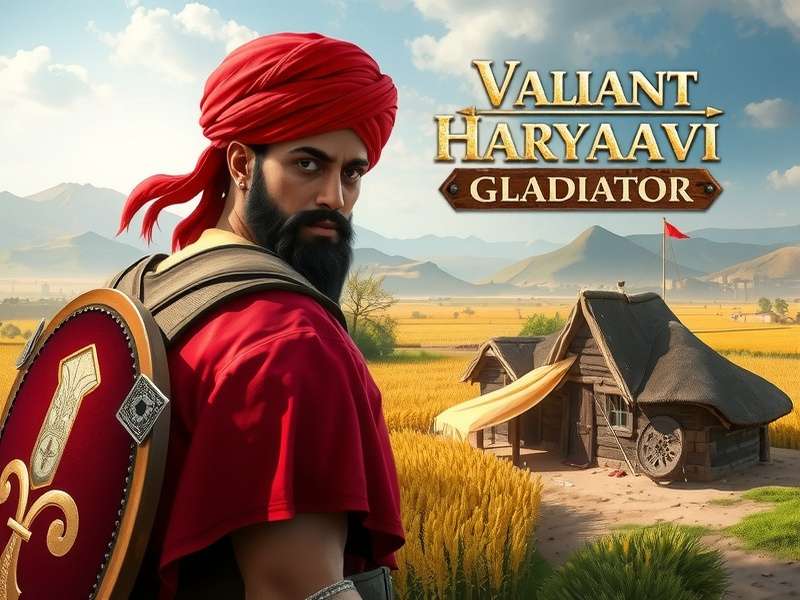
Exploration in Valiant Haryanvi Gladiator is deeply integrated with the game's cultural and narrative objectives – players are consistently rewarded for engaging with rural life and cultural practices rather than simply rushing from combat mission to combat mission. The open world is designed to encourage curiosity and immersion, with numerous hidden cultural treasures, oral histories, and traditional practices to discover throughout the diverse landscapes of Haryana. Key exploration features that define the open world experience of Valiant Haryanvi Gladiator include:
- Village Interaction System: A sophisticated NPC dialogue system that allows players to converse with villagers in authentic Haryanvi dialect, learn regional folk tales and proverbs, participate in community decision-making processes, and build meaningful relationships with key community members that directly impact gameplay outcomes and narrative progression in Valiant Haryanvi Gladiator.
- Realistic Farming Mechanics: Players can tend to Prithvi Singh's ancestral farmstead, planting and harvesting regionally appropriate crops that provide essential resources for combat, healing, and village missions in Valiant Haryanvi Gladiator. The farming system accurately simulates 1920s agricultural practices, including crop rotation, irrigation techniques, and the impact of seasonal weather patterns on harvest yields.
- Animal Husbandry Simulation: Caring for cattle, buffalo, goats, and oxen provides tangible gameplay benefits in Valiant Haryanvi Gladiator, with livestock playing realistic roles in rural Haryanvi life – milk for making lassi (a healing item), oxen for plowing fields, goats for meat and wool, and cows for religious ceremonies and community sustenance.
- Dynamic Seasonal Cycles: Valiant Haryanvi Gladiator features a fully realised seasonal system that impacts every aspect of gameplay – scorching summer heat that depletes stamina and requires water management, monsoon rains that turn farm fields into muddy battlegrounds and make stealth easier, cool winters that bring fog for ambushes, and harvest seasons that trigger community festivals and increased village activity.
- Cultural Event Participation: Players can take part in or observe traditional Haryanvi cultural events throughout the year in Valiant Haryanvi Gladiator – including dangals (wrestling matches), ragni competitions (improvisational folk poetry recitals), haat bazaars (weekly rural markets), and religious festivals – each offering unique rewards, cultural insights, and narrative opportunities that deepen the player's connection to Haryanvi culture.
The open world of Valiant Haryanvi Gladiator also incorporates meticulous historical accuracy in its representation of colonial-era infrastructure and its impact on rural Haryana. Players encounter British-built canals and irrigation systems that altered traditional water management practices, railway lines that facilitated the extraction of agricultural resources to feed British industrial demands, and administrative buildings that symbolised colonial control over rural life. This contrast between colonial modernity and traditional rural existence is a central thematic element in Valiant Haryanvi Gladiator, reflected in both the environmental design and the narrative choices presented to players throughout the game.
What truly distinguishes the open world of Valiant Haryanvi Gladiator from other open-world games is its commitment to micro-level cultural accuracy. Every village in the game features regionally distinct architecture, dialect variations, clothing styles, and culinary traditions that reflect the surprising diversity of Haryana despite its reputation as a culturally homogeneous state. From the kuccha (mud) houses of central Haryana to the pakka (brick) structures of northern Haryana, from the Bagri dialect of western Haryana to the Deshwali dialect of eastern Haryana, every detail in Valiant Haryanvi Gladiator's open world contributes to an authentic, immersive representation of 1920s rural Haryana that has resonated deeply with Haryanvi players and cultural scholars alike.
Progression & Skill Development 📈
Character progression in Valiant Haryanvi Gladiator is a sophisticated, multi-faceted system that ties Prithvi Singh's combat abilities directly to his connection with Haryanvi culture and community, rather than relying on generic skill trees found in mainstream action games. The progression system is built around three interconnected skill trees that reflect different dimensions of Haryanvi identity and rural life, ensuring that players must engage with all aspects of Haryanvi culture to fully develop Prithvi's abilities in Valiant Haryanvi Gladiator:
- Yodha (Warrior) Skill Tree: Focused on combat proficiency, this skill tree in Valiant Haryanvi Gladiator includes mastery of traditional Haryanvi weapons, military tactics learned in the British Indian Army, group combat strategies developed by village defence forces, and battlefield medicine techniques used by Haryanvi soldiers during World War I.
- Kisan (Farmer) Skill Tree: Centred on rural survival and agricultural expertise, this progression path in Valiant Haryanvi Gladiator enhances farming and animal husbandry skills, knowledge of medicinal plants and natural remedies, navigation of rural terrain, and the ability to predict weather patterns – all of which provide tangible combat and survival benefits in the game.
- Gramsevak (Village Servant) Skill Tree: Focused on community leadership and cultural knowledge, this skill tree in Valiant Haryanvi Gladiator improves Prithvi's ability to communicate in regional Haryanvi dialects, mediate village disputes, inspire community resistance against oppression, and draw on folk wisdom to solve complex problems – allowing players to rally villagers to their cause against Ranbir Singh Rana and British colonial authorities.
Skill points in Valiant Haryanvi Gladiator are earned through a balanced combination of combat victories, successful farming and animal husbandry, community service, and cultural engagement – ensuring that progression rewards both martial prowess and cultural immersion rather than prioritising combat alone. This innovative progression system has been widely praised by critics and players for encouraging engagement with all aspects of Haryanvi life in Valiant Haryanvi Gladiator, creating a more holistic and authentic gaming experience that reflects the interconnected nature of rural existence where farming, community, and self-defence are inseparable aspects of daily life.
Another distinctive feature of Valiant Haryanvi Gladiator's progression system is its Samajik Pragati (Social Progress) mechanic – a community advancement system that allows players to invest resources and skill points into improving village infrastructure, education, and healthcare. These community improvements not only provide gameplay benefits (such as better healing items, improved farming tools, and additional allies in combat) but also reflect the collective, community-oriented values of Haryanvi rural society. This mechanic transforms Valiant Haryanvi Gladiator from a purely individualistic power-fantasy game into a more authentic representation of rural life where individual success is inextricably linked to community wellbeing.
Stealth & Strategy 🧩
While Valiant Haryanvi Gladiator features intense, skill-based combat, the game places equal emphasis on stealth and strategic thinking – reflecting the historical reality of rural resistance in colonial India where direct confrontation with better-armed British forces and zamindar militias was often impractical or suicidal. The stealth mechanics of Valiant Haryanvi Gladiator are uniquely adapted to the environmental and cultural context of rural Haryana, creating stealth gameplay that feels organic to the setting rather than generic or borrowed from other games:
- Crop Field Stealth: A signature stealth mechanic in Valiant Haryanvi Gladiator that allows players to hide in tall bajra (millet) or wheat fields, using the dense crop cover to ambush unsuspecting enemies or avoid detection by British patrols. The height and density of crops vary by season and region, creating dynamic stealth opportunities throughout the game.
- Village Lane Navigation: The narrow, winding lanes and interconnected courtyards of traditional Haryanvi villages in Valiant Haryanvi Gladiator provide perfect conditions for hit-and-run attacks, evasion, and stealthy movement – players can disappear into village homes, slip through narrow alleys, or use the cover of village structures to avoid detection by enemy forces.
- Night Operations: Many missions in Valiant Haryanvi Gladiator are best undertaken under the cover of darkness, when traditional Haryanvi diya (oil lamps) provide limited visibility and create dramatic stealth scenarios. The game features realistic night lighting that accurately simulates the limited illumination of 1920s rural India, with moonlight, lanterns, and campfires creating dynamic light and shadow play that players can use to their advantage.
- Community-Assisted Stealth: A unique gameplay mechanic in Valiant Haryanvi Gladiator where friendly villagers can help players hide from pursuing enemies, provide distractions (such as starting a ragni performance or pretending to have a village emergency), or spread false information to misdirect British patrols and zamindar militias – rewarding players who have built strong relationships with the community through previous missions and cultural engagement.
Valiant Haryanvi Gladiator also incorporates sophisticated strategic elements drawn directly from Haryanvi rural warfare traditions and anti-colonial resistance movements of the 1920s. These include guerrilla tactics developed by peasant resistance groups to harass British forces, scouting techniques honed by Haryanvi farmers to protect their crops from raiders and wild animals, and ambush strategies perfected in the narrow gorges and forested areas of Haryana's Aravali hills. This integration of culturally specific strategic thinking into Valiant Haryanvi Gladiator's gameplay creates a uniquely nuanced action experience that reflects the realities of rural resistance rather than Hollywood-inspired combat fantasies, requiring players to think strategically and use their knowledge of Haryanvi terrain and culture to overcome better-equipped opponents.
The strategic depth of Valiant Haryanvi Gladiator is further enhanced by its Gram Raksha (Village Defence) system – a tactical mode that allows players to plan and execute coordinated village defence missions against British raids or zamindar attacks. Players can assign villagers to different defensive positions based on their skills (farmers as archers using slingshots, pehlwans as frontline defenders, women as scouts and messengers), set up booby traps using farming tools and natural materials, and coordinate ambushes using their knowledge of local terrain. This strategic layer adds significant replay value to Valiant Haryanvi Gladiator, as different defensive strategies yield different outcomes based on the strengths of the village community and the tactics of attacking forces.
Rural Haryana Setting & Cultural Authenticity 🇮🇳
Geographical Representation 🗺️
The open world of Valiant Haryanvi Gladiator is meticulously divided into seven distinct geographical and cultural regions, each representing a unique zone of 1920s Haryana – a level of regional detail unprecedented in Indian gaming. Each region features distinct geography, architecture, dialect variations, agricultural practices, and cultural traditions that reflect the surprising diversity of Haryana despite its common perception as a culturally homogeneous state. This geographical specificity is a defining feature of Valiant Haryanvi Gladiator, allowing players to experience the rich regional variations that characterise rural Haryana:
📍 Bhiwani/Hisar Region (Western Haryana): The starting region of Valiant Haryanvi Gladiator, representing the heart of Haryana's Jat heartland and the ancestral home of protagonist Prithvi Singh. Characterised by vast, flat expanses of fertile farmland, traditional kuccha (mud) village homes clustered around communal ponds (panna), and a strong emphasis on pehlwani (wrestling) and martial traditions. This region features the Deshwali dialect of Haryanvi and serves as the primary battleground for Prithvi's initial resistance against Ranbir Singh Rana's land seizures in Valiant Haryanvi Gladiator.
📍 Kurukshetra/Ambala Region (Northern Haryana): Known as the "rice bowl of Haryana" in Valiant Haryanvi Gladiator, this region features extensive irrigated farmlands fed by the Yamuna and Ghaggar rivers, more permanent pakka (brick) structures reflecting greater colonial influence, and a unique blend of Haryanvi and Punjabi cultural traditions due to its proximity to Punjab. This region plays a pivotal role in Valiant Haryanvi Gladiator's narrative due to its historical significance as the site of the Mahabharata battlefield and its status as a major British administrative and military centre in 1920s Haryana.
📍 Gurgaon/Faridabad Region (Southern Haryana): Dominated by the rugged Aravali mountain range in Valiant Haryanvi Gladiator, this region features forested hills, rocky terrain, and semi-arid plains that contrast sharply with the flat farmlands of central Haryana. Characterised by the Bagri dialect of Haryanvi, a stronger emphasis on animal herding over settled agriculture, and unique martial traditions developed specifically for combat in mountainous terrain. The game's bandit hunting missions and guerrilla warfare scenarios are primarily set in this rugged landscape in Valiant Haryanvi Gladiator.
📍 Sirsa/Fatehabad Region (Northwestern Haryana): A semi-desert border region adjacent to Rajasthan in Valiant Haryanvi Gladiator, featuring khejri trees (the state tree of Haryana), sand dunes, and drought-resistant crops like moth (a type of bean) and gur (jaggery). This region is known for its vibrant trading traditions and smuggling networks that operated across the Haryana-Rajasthan border during the colonial era, featuring missions in Valiant Haryanvi Gladiator that involve cross-border trade, smuggling of anti-colonial literature, and resistance against British customs officials.
📍 Panipat/Karnal Region (Eastern Haryana): A strategically vital region along the historic Grand Trunk Road in Valiant Haryanvi Gladiator, featuring British military outposts, large grain markets, and a mix of rural villages and semi-urban settlements that reflect growing colonial influence. This region plays a central role in the game's anti-colonial resistance narrative, with missions in Valiant Haryanvi Gladiator involving sabotage of British supply convoys, raids on colonial administrative buildings, and coordination with nationalist leaders operating in the region.
📍 Mahendragarh/Rewari Region (Southwestern Haryana): Renowned for its traditional metalworking and blacksmithing traditions in Valiant Haryanvi Gladiator, this region features distinctive dhajji diwari (wood and mud) architecture and a unique cultural blend of Haryanvi and Rajasthani influences. Missions in this region of Valiant Haryanvi Gladiator focus on traditional crafts, the production of weapons for the resistance movement, and resistance against British attempts to control local metalworking industries that were essential for both agricultural tools and weapons production.
📍 Rohtak/Jhajjar Region (Central Haryana): The cultural and political heart of Haryana in Valiant Haryanvi Gladiator, featuring the state's most prominent akhadas (wrestling schools), vibrant folk arts traditions, and a concentration of anti-colonial activity during the 1920s. This region serves as the setting for the climactic missions of Valiant Haryanvi Gladiator, with Prithvi Singh coordinating a statewide resistance movement against Ranbir Singh Rana and his British allies.
The geographical accuracy of Valiant Haryanvi Gladiator extends to the smallest environmental details that reflect regional variations across Haryana. From the types of trees native to each region (peepal and banyan in the north, khejri and rohida in the west, sal and dhak in the southern hills) to the regionally specific crops grown (rice and sugarcane in the north, millet and cotton in central Haryana, drought-resistant pulses in the west) to the breeds of livestock raised (buffalo in irrigated northern areas, goats and sheep in arid western regions, cattle throughout the state), every environmental detail in Valiant Haryanvi Gladiator contributes to an authentic sense of place that has resonated deeply with Haryanvi players who recognise their local landscapes and traditions represented with unprecedented accuracy.
Architectural Authenticity 🏛️
The architectural design of Valiant Haryanvi Gladiator represents the culmination of over two years of intensive research into 1920s Haryanvi village architecture, with the game's art team documenting over 250 traditional Haryanvi homes, community structures, religious buildings, and colonial-era constructions across the state. This exhaustive research has resulted in an architectural representation in Valiant Haryanvi Gladiator that is not only visually authentic but also historically accurate, reflecting the socioeconomic realities, cultural values, and environmental adaptations of rural Haryana during the colonial era:
- Kuccha Homes (Mud Structures): The primary housing for peasant farmers in 1920s Haryana, meticulously recreated in Valiant Haryanvi Gladiator with mud-plastered walls, thatched roofs (tikki), earthen floors, and small windows designed to keep the interior cool during Haryana's scorching summers. These homes typically feature a single large room for the entire family, a small courtyard for domestic activities, and a separate enclosure for livestock – all accurately represented in Valiant Haryanvi Gladiator.
- Pakka Havelis (Brick Mansions): The substantial brick homes of wealthy farmers, village headmen, and zamindars in Valiant Haryanvi Gladiator, featuring multiple rooms, inner courtyards (angan), covered verandas (chowk), and decorative wooden doors and windows with intricate carvings reflecting status and wealth. These structures in Valiant Haryanvi Gladiator often include separate quarters for servants, extensive grain storage facilities, and defensive features like high walls and narrow entry points to protect against raiders.
- Community Ponds (Panna): The social and ecological heart of Haryanvi villages in Valiant Haryanvi Gladiator, featuring stone steps leading down to the water, chabutaras (elevated platforms for feeding birds), and surrounding peepal and banyan trees where villagers gather to socialise, resolve disputes, and share news. These ponds in Valiant Haryanvi Gladiator are accurately depicted as the primary source of water for drinking, cooking, and irrigation in rural Haryana before the expansion of canal systems.
- Chaupals (Community Halls): Open-air public spaces central to village life in Valiant Haryanvi Gladiator, where village elders meet to resolve disputes in the panchayat (village council), ragni performances take place, and important community decisions are made. These structures in Valiant Haryanvi Gladiator typically feature a raised platform for speakers and elders, wooden benches for seating, and a large peepal tree providing shade – all accurately recreated based on historical examples.
- Akhadas (Wrestling Schools): Sacred spaces for physical and moral training in Valiant Haryanvi Gladiator, featuring earthen wrestling pits (akhadon ki kucchi) maintained with a mixture of mud and buttermilk, jhadu (special brooms) for cleaning the pit, and garlands (malas) honouring champion wrestlers and local deities. These akhadas in Valiant Haryanvi Gladiator are accurately depicted as centres of community life where young men train in pehlwani, learn moral values, and develop the physical strength to protect the village.
- Religious Structures: Small village temples dedicated to local goddesses (Devi Mandirs) and Lord Shiva (Shiv Mandirs) in Valiant Haryanvi Gladiator, reflecting Haryana's religious traditions with simple, unadorned structures featuring earthen idols and minimal decoration – a stark contrast to the elaborate temple architecture of South India. These temples in Valiant Haryanvi Gladiator often include a sacred grove of trees, a small pond for ritual bathing, and an open space for community prayers and festivals.
- Colonial Structures: British administrative buildings, railway stations, military outposts, and canal headworks in Valiant Haryanvi Gladiator, featuring the distinctive colonial architectural style of the early 20th century with red brick construction, arched windows, corrugated metal roofs, and large verandas designed to adapt to India's climate. These structures in Valiant Haryanvi Gladiator are intentionally designed to contrast with traditional Haryanvi architecture, symbolising the physical and cultural intrusion of colonial rule into rural life.
The architectural representation in Valiant Haryanvi Gladiator also powerfully reflects the socioeconomic inequalities of 1920s rural Haryana – the cramped, single-room mud homes of landless labourers stand in stark contrast to the sprawling brick havelis of zamindars and wealthy farmers, while British colonial buildings tower over traditional village structures, visually embodying the power dynamics of the era. This attention to socioeconomic detail in Valiant Haryanvi Gladiator adds profound depth to the game's setting, helping players understand the material conditions and power relationships that drive the narrative's central conflict between peasant farmers and exploitative zamindars backed by British colonial power.
Cultural Immersion 🎭
Beyond its innovative combat mechanics and visually stunning open world, Valiant Haryanvi Gladiator offers countless opportunities for deep cultural immersion – gameplay activities that reward players with tangible in-game benefits while simultaneously deepening their understanding and appreciation of Haryanvi culture, traditions, and way of life. These cultural immersion mechanics in Valiant Haryanvi Gladiator are not superficial add-ons but are fully integrated into the gameplay loop, making cultural engagement essential to progression and success in the game:
- Ragni Recitation: A unique gameplay mechanic in Valiant Haryanvi Gladiator where players can learn and perform traditional Haryanvi folk poetry (ragni) – an improvisational art form where poets compete to create verses on given themes. Correct recitation of ragni verses in Valiant Haryanvi Gladiator unlocks new dialogue options with NPCs, provides valuable cultural insights into village life and history, and even allows players to resolve conflicts peacefully through poetic debate rather than violence.
- Pehlwani Training: Regular practice at village akhadas (wrestling schools) in Valiant Haryanvi Gladiator improves Prithvi Singh's combat skills, increases his stamina and strength, and builds his reputation within the community. Players can compete in dangals (wrestling matches) against local champions and visiting pehlwans, with victory in these competitions earning respect, resources, and allies who will assist in future missions in Valiant Haryanvi Gladiator.
- Folk Music & Dance: Players can participate in or simply listen to traditional Haryanvi musical performances in Valiant Haryanvi Gladiator, featuring instruments like the dholak (double-headed drum),